Multi-origin Shipping Calculator: Cost Calculator for Easy Estimates
Multi-origin shipping calculator: Shipping eats 15–20% of Shopify order value on average.
Hylke Reitsma is co-founder of Forthsuite and a supply chain specialist with 8+ years of hands-on experience at Shell, Verisure, and Stryker. He holds an MSc in Supply Chain Management from the University of Groningen and writes practical guides to help e-commerce teams run leaner, faster supply chains. Selected by Replit as 1 of 20 founders for the inaugural Race to Revenue Cohort #1 (2026) and certified as a Replit Platform Builder.
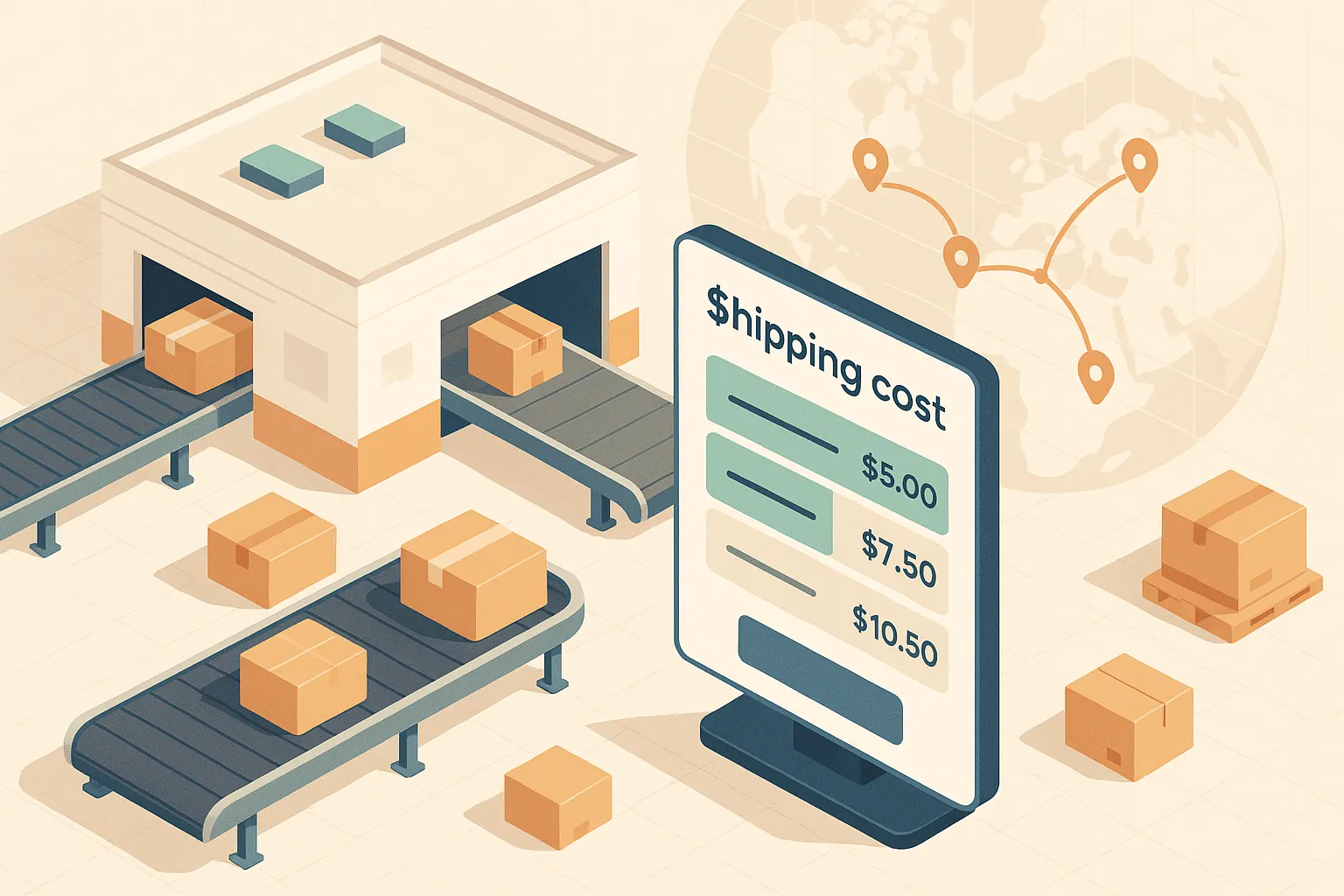
Shipping Cost Calculator for Easy Estimates
Last updated: May 2026
TL;DR: Running an e-commerce business or sending a one-off package can come with a lot of unknowns, especially when it comes to figuring out shipping fees. Forthmatch tracks 3PL fulfilment success rate, processing time and SLA compliance for Shopify operators so brands can hold their fulfilment partners accountable.
Estimate Shipping Expenses with Ease
“50–60% of orders become RTO. Prepaid to COD ratio is roughly 1:9 (only 10% prepaid). When a customer refuses the package, the business pays the full shipping cost both ways + lost ad spend + order management cost.”
Running an e-commerce business or sending a one-off package can come with a lot of unknowns, especially when it comes to figuring out shipping fees. That’s where a reliable shipping cost calculator comes in handy. This tool simplifies the process by letting you input key details—think package weight, dimensions, and destination—and instantly get a breakdown of estimated costs from major carriers like UPS and FedEx.
Why Knowing Shipping Rates Matters
Whether you’re a small business owner managing tight margins or an individual mailing a gift, unexpected shipping expenses can throw a wrench in your plans. Having access to a quick way to calculate delivery costs means you can budget better, compare carrier options, and avoid last-minute sticker shock.
Plus, with features like unit toggles for weight and dimensions, and options for standard or express delivery, you’ve got flexibility to match your needs.
Save Time and Make Informed Choices
Gone are the days of manually checking each carrier’s website. A tool like this pulls everything together in one spot, factoring in distance, speed, and even potential surcharges for oversized items.
It’s all about giving you clarity so you can ship smarter, not harder.
FAQs
How accurate are the shipping cost estimates?
Our tool provides estimates based on data from common carriers like UPS, FedEx, and USPS, or a predefined rate table when real-time data isn't available. While we strive for accuracy, actual costs might differ due to carrier-specific fees, surcharges, or policy changes. Always double-check with the carrier for final pricing before shipping.
What if I enter incorrect or unrealistic package details?
No worries! If something seems off—like a missing ZIP code or an unrealistic weight—our tool will prompt you to correct it. We’ve built in error handling to guide you through the process, so you can get accurate estimates without frustration. Just follow the on-screen tips, and you’re good to go.
Can I use this tool for international shipping?
Absolutely, our calculator supports both domestic and international shipping estimates. Just enter the origin and destination countries or ZIP codes, and we’ll pull the relevant rates for the carriers that service those routes. Keep in mind that international shipments might include additional customs fees or taxes not reflected in the estimate.
How the Supply Chain Landscape Has Shifted in 2026
Freight rate volatility has stabilized compared to the wild swings of 2020-2023, but the baseline has reset higher. Contract rates for ocean freight are running 20-30% above pre-pandemic levels, and carriers have successfully defended these floors through disciplined capacity management.
For B2B operators calculating shipping costs today, the old benchmarks are obsolete—what felt expensive in 2019 is now the new normal.
This shift matters most for mid-market companies managing multi-modal shipments. Spot-to-contract spreads have narrowed, reducing the arbitrage opportunities that many procurement teams relied on. At the same time, fuel surcharges have become less predictable as energy markets react to conflicting policy signals across regions. The result: shipping cost calculators need more frequent updates and tighter integration with real-time carrier data to remain accurate beyond a few weeks.
Looking ahead, watch how the IMO's tightening emissions regulations interact with capacity. Retrofitting older vessels and slow-steaming mandates will likely create new cost layers that aren't fully reflected in current tariffs. Operators who build flexibility into their rate assumptions—and maintain relationships with multiple carriers—will have the edge as these dynamics play out through 2027.
Integrating Calculator Estimates Into Your Fulfillment Workflow
A shipping cost calculator is most useful when you treat it as part of a larger fulfillment strategy, not a standalone tool. Once you have your estimates in hand, the next step is comparing them against your actual carrier contracts and negotiated rates.
Some Shopify operators find that calculator estimates help them identify which carriers offer the best value for specific routes or package profiles—then they can lock in preferred carrier arrangements with their 3PL partner.
If you're using a third-party logistics provider (3PL), sharing these estimates with your fulfillment team ensures alignment on expectations. Your 3PL should be meeting or beating the rates you've calculated, especially if you're shipping in volume. This transparency helps you hold fulfillment partners accountable and spot opportunities to optimize shipping spend across your operation.
Understanding Surcharges and Hidden Costs
A calculator gives you a baseline, but real-world shipping often includes extra fees that catch merchants off guard. Dimensional weight pricing, for example, applies when a package is large but light—carriers charge based on the dimensional size rather than actual weight if it results in a higher fee.
Residential delivery surcharges, Saturday delivery premiums, and fuel surcharges can all push your final bill above the calculator estimate.
Oversized item fees are another common addition. If your package exceeds standard length-and-girth limits set by a carrier, expect an extra charge. Remote area surcharges apply when shipping to less accessible regions. By understanding these potential add-ons upfront, you can build them into your shipping cost assumptions and price your products more accurately. A good calculator will flag when these conditions might apply, but always factor in a small buffer when budgeting.
Comparing Carriers: When to Use Multiple Quotes
Most shipping cost calculators let you see rates from several carriers side by side. This is where real value emerges.
A package that costs more with one carrier might be significantly cheaper with another, depending on weight, destination, and service level. Running the same shipment through multiple carriers can reveal patterns—perhaps FedEx is consistently cheaper for cross-country ground, while UPS offers better regional rates.
For Shopify merchants shipping regularly, these comparisons compound over time. Even small per-package savings add up across hundreds or thousands of shipments monthly. Some operators use a calculator to test different packaging strategies too: would using a smaller, lighter box reduce costs enough to justify repackaging? The calculator helps you answer that question with concrete numbers.
Why Real-Time Rates Matter More Than Ever
A shipping cost calculator is only as good as the data feeding it. Real-time rate integrations pull current pricing directly from carriers, accounting for any temporary promotions, route adjustments, or fee changes.
Cached or outdated rate tables can lead to estimates that are significantly off. When selecting a calculator tool, prioritize those that update carrier rates frequently and transparently show you when data was last refreshed.
For merchants using Forthmatch to manage 3PL relationships, layering a shipping calculator into your process adds another data point for monitoring fulfillment partner performance. If your 3PL's billed rates consistently exceed calculator estimates for similar shipments, that's a conversation worth having about rate competitiveness and operational efficiency.
When Should You Calculate vs. Quote Directly?
Use a calculator for quick estimates during business planning, pricing decisions, or pre-shipment budgeting. But always get a final quote or invoice from your actual carrier or 3PL before committing to a shipment.
A calculator is a planning tool, not a binding price. That said, the discipline of checking estimates regularly keeps you informed about market conditions and helps you spot when your fulfillment costs are creeping upward—a useful early warning sign to revisit your logistics strategy.
Track how your current 3PL actually performs — Forthmatch, free for Shopify stores.
About the Author

Hylke Reitsma is co-founder of Forthsuite and a supply chain specialist with 8+ years of hands-on experience at Shell, Verisure, and Stryker. He holds an MSc in Supply Chain Management from the University of Groningen and writes practical guides to help e-commerce teams run leaner, faster supply chains. Selected by Replit as 1 of 20 founders for the inaugural Race to Revenue Cohort #1 (2026) and certified as a Replit Platform Builder.
LinkedIn